
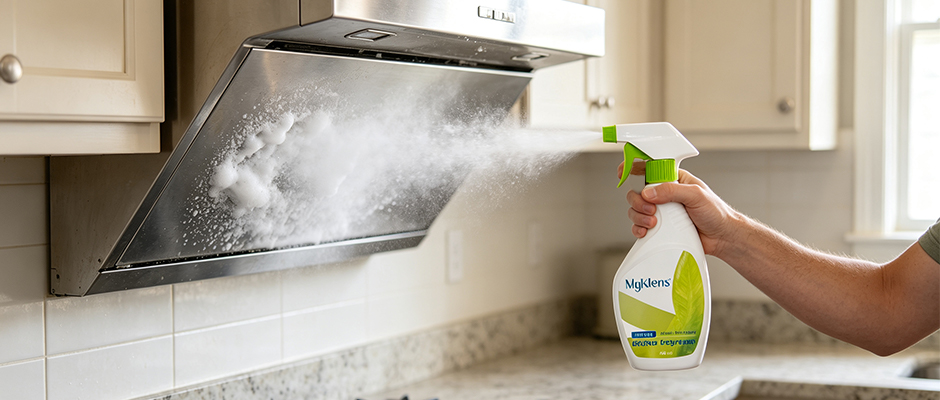
Grease accumulation in commercial food service facilities creates serious operational challenges. Equipment efficiency drops when ventilation systems become clogged with residue. Fire hazards increase exponentially in kitchens with inadequate degreasing protocols.
Health inspections fail when surface contamination exceeds regulatory standards. Staff productivity suffers when cleaning takes excessive time. Maintenance costs escalate when equipment deteriorates prematurely.
Traditional cleaning methods often prove insufficient for heavy-duty commercial applications. Generic products lack the industrial-strength formulation required for high-volume kitchens. Facility managers face constant pressure to maintain compliance while controlling operational expenses.
The right commercial kitchen degreaser addresses these challenges systematically. Professional-grade formulations penetrate carbonized grease layers effectively. Industrial applications demand solutions that deliver consistent results across multiple surface types.

Business Value of Professional-Grade Kitchen Degreasers
Regulatory Compliance and Risk Mitigation
Food service establishments operate under strict health department oversight. Contaminated surfaces violate sanitation codes and jeopardize operating permits. Professional industrial kitchen degreaser products help maintain compliance with NSF and FDA standards.
Documented cleaning protocols using certified products demonstrate due diligence. Insurance providers often require proof of proper maintenance procedures. Fire marshals scrutinize exhaust system cleanliness during routine inspections.
Operational Efficiency Optimization
Equipment performance deteriorates when grease blocks airflow and heat transfer. Fryers, griddles, and ovens consume more energy when residue accumulates. Regular application of heavy duty kitchen degreaser extends equipment lifespan significantly.
Cleaning time reduction translates directly to labor cost savings. Staff can focus on revenue-generating activities instead of excessive scrubbing. Preventive maintenance becomes more manageable with effective degreasing solutions.
Asset Protection and Longevity
Commercial kitchen equipment represents substantial capital investment. Grease causes corrosion on stainless steel and other metal surfaces. Proper degreasing protocols protect asset value and delay replacement cycles.
Ventilation systems require particularly aggressive maintenance. Commercial grade degreaser formulations prevent buildup that necessitates costly professional hood cleaning services. Proactive maintenance reduces emergency repair expenses.
Commercial Application Environments and Use Cases
Restaurant and Food Service Operations
High-volume restaurants generate extreme grease loads daily. Cooking lines require multiple cleanings per shift to maintain standards. Restaurant kitchen degreaser products must work quickly without extended dwell times.
Fast-casual concepts need solutions compatible with rapid turnover schedules. Fine dining establishments require products that won't damage premium equipment finishes. Chain operations benefit from standardized products that ensure consistency across locations.
Institutional Food Service Facilities
Hospitals, universities, and correctional facilities operate large-scale kitchens continuously. Institutional kitchen cleaner requirements include low-odor formulations for occupied buildings. Budget constraints demand concentrated products that reduce per-use costs.
These environments often mandate green certification and low-VOC formulations. Bulk packaging options suit high-volume purchasing requirements. Compatibility with automated dispensing systems streamlines inventory management.
Industrial Food Processing Plants
Manufacturing facilities face unique challenges with conveyor systems and production equipment. Food processing degreaser products must meet USDA approval standards. CIP (clean-in-place) compatibility enables integration with existing sanitation protocols.
Processing plants require documentation for HACCP compliance programs. Products must perform effectively in both hot and cold applications. Rinse-off characteristics matter critically in water-sensitive environments.
Hospitality and Entertainment Venues
Hotels with multiple food outlets need versatile degreasing solutions. Convention centers manage sporadic high-volume events requiring rapid cleanup. Commercial kitchen cleaner products must handle varied equipment types and grease compositions.
Catering operations benefit from portable packaging formats. Venues with open kitchens require low-fume formulations for guest comfort. Quick-drying properties prevent slip hazards in high-traffic areas.
Professional Procurement Selection Criteria
Chemical Formulation Analysis
Alkaline-based kitchen degreaser industrial products excel at saponifying triglyceride fats. pH levels between 11-13.5 provide optimal grease-cutting performance. Surfactant packages determine emulsification characteristics and soil suspension.
Solvent-enhanced formulations tackle carbonized and polymerized residues effectively. Water-based products offer safer handling compared to petroleum-based alternatives. Enzymatic additives provide specialized performance for protein-based soils.
Performance Specifications
Concentration ratios determine dilution flexibility and cost-efficiency. Super strength kitchen degreaser concentrates reduce shipping and storage expenses. Ready-to-use formulations eliminate dilution errors in multi-unit operations.
Contact time requirements affect labor productivity during cleaning procedures. Temperature performance ranges matter in both hot and cold application scenarios. Rinse characteristics influence water consumption and environmental impact.
Safety and Regulatory Credentials
NSF registration verifies product suitability for food contact surfaces. USDA authorization applies to meat and poultry processing facilities. Green certification appeals to sustainability-focused procurement policies.
SDS documentation supports staff training and emergency response planning. Biodegradability ratings address wastewater treatment compliance issues. Low-corrosion formulations protect expensive stainless steel investments.
Packaging and Distribution Options
Bulk containers (5-gallon pails, 55-gallon drums) suit high-volume operations. Commercial kitchen degreaser bulk purchasing reduces per-unit costs significantly. Returnable totes support sustainable procurement initiatives.
Portion-control packaging prevents product waste and overuse. Trigger sprayers and foaming applicators improve coverage efficiency. Compatible dispensing systems integrate with existing inventory management platforms.
Total Cost of Ownership Analysis
Unit price represents only one component of true product cost. Dilution ratios dramatically affect cost-per-use calculations. Labor time savings from faster-acting products offset higher material costs.
Equipment protection value should factor into ROI analysis. Reduced maintenance expenses justify premium product investments. Volume commitments often unlock preferential pricing tiers.
Implementation Best Practices for Commercial Environments
Establish standardized operating procedures for consistent application. Train staff on proper dilution ratios and safety protocols. Schedule regular deep-cleaning cycles beyond daily maintenance.
Test products on inconspicuous areas before full-scale deployment. Maintain adequate ventilation during application in enclosed spaces. Follow manufacturer guidelines for contact times and rinsing procedures.
Document cleaning schedules for regulatory compliance verification. Rotate products periodically to prevent residue buildup from single formulations. Monitor inventory levels to prevent operational disruptions.
Strategic Degreasing Solutions for Commercial Success
Effective grease management protects operational continuity and asset value. The right commercial kitchen degreaser transforms maintenance from burden to competitive advantage. Professional-grade products deliver measurable returns through compliance assurance and efficiency gains.
Procurement decisions should balance immediate costs against long-term operational benefits. Performance verification through trial programs minimizes implementation risks. Strategic supplier partnerships ensure consistent product availability and technical support.
Ready to optimize your facility's kitchen maintenance program? Our commercial degreasing specialists provide customized product recommendations based on your specific operational requirements. Contact our B2B sales team for technical specifications, volume pricing, and complimentary application analysis. Request your professional consultation today.