
Do Automatic Toilet Bowl Cleaner Tablets Actually Work? How to Tell Real Cleaners from Fakes
You drop a blue tablet into your toilet tank. Every flush, a wave of blue-tinted water swirls through the bowl. It looks like it's cleaning. But is it really?
The surprising truth: many automatic toilet bowl cleaner tablets on the market produce blue water with little to no actual cleaning power. The dye makes the water look "clean," but the tablet may contain very few active cleaning agents. You're essentially flushing colored water.
So how do you know if your toilet bowl cleaner tablets are actually doing their job? In this guide, we'll reveal a simple at-home test anyone can do, explain why some tablets last a month while others dissolve in days, and help you choose a product that truly keeps your toilet clean between scrubs.
The Dirty Secret: Blue Water ≠ Clean Toilet
Walk down the cleaning aisle of any store and you'll find dozens of automatic toilet bowl cleaner tablets. They all promise the same thing: a sparkling, fresh-smelling toilet with every flush. And most of them turn the water a reassuring shade of blue.
But here's what most consumers don't realize:
Blue dye is cheap. Active cleaning ingredients are not.
Some manufacturers load their tablets with dye and fragrance but skimp on the surfactants (the active cleaning agents that actually break down stains, bacteria, and mineral buildup). The result? Your toilet water looks blue, smells nice, but the bowl still develops rings, stains, and bacteria colonies over time.
This is why you might notice that even after weeks of using a tablet, you still need to scrub the bowl just as often as before. The tablet isn't cleaning—it's just coloring.
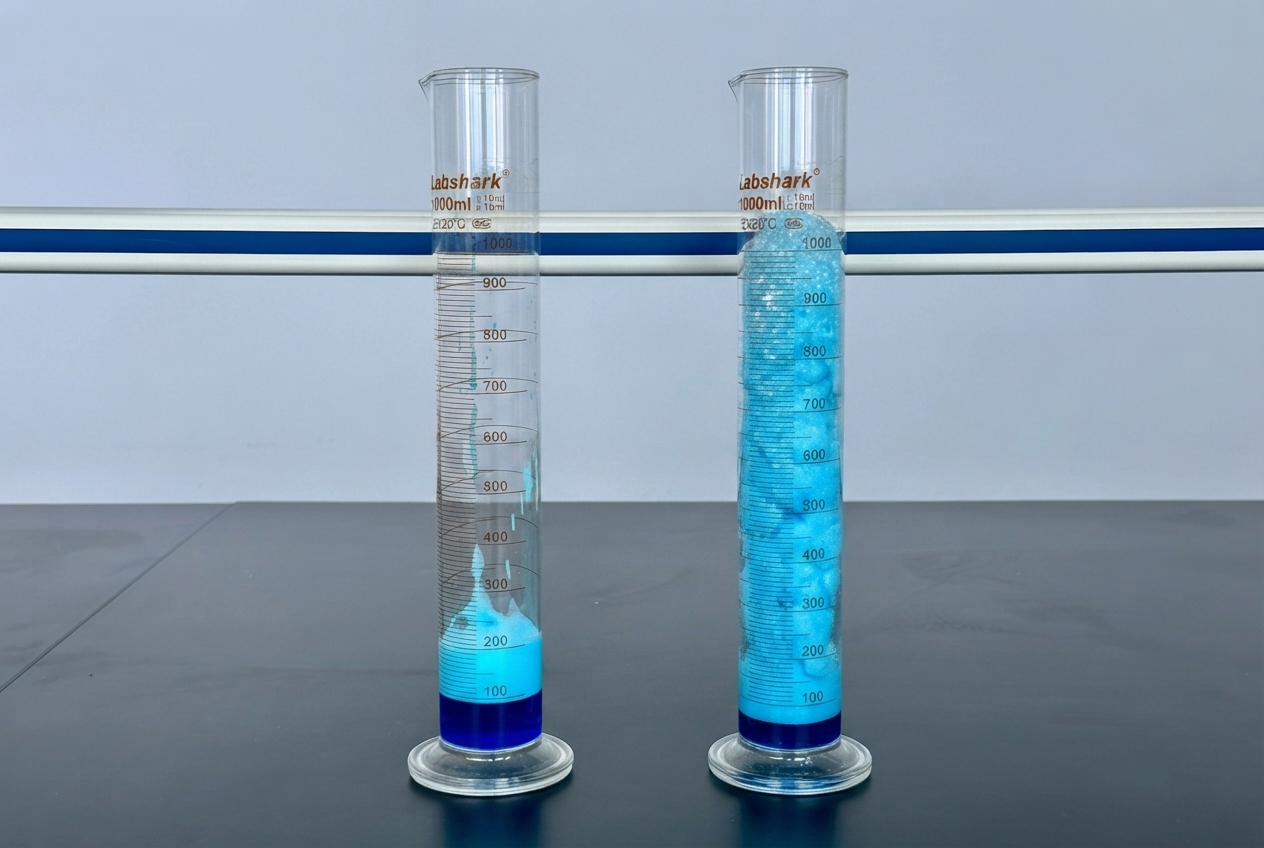
The 1% Foam Test: How to Check If Your Tablet Actually Cleans
Want to know if your automatic toilet bowl cleaner tablet has real cleaning power? Here's a simple test you can do at home in under 2 minutes. We call it the 1% Foam Test.
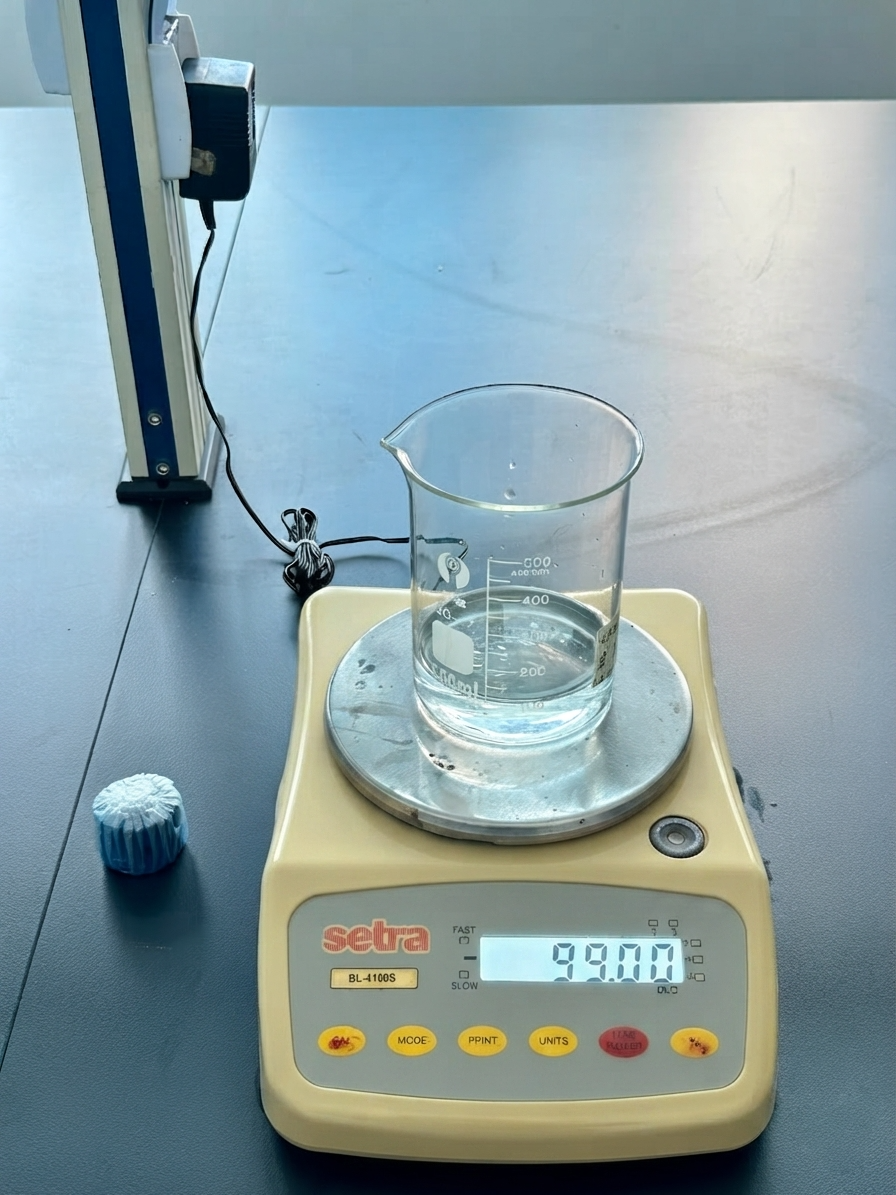
What You'll Need:
· A clear glass or jar
· 99 grams of warm water
· 1 gram of your toilet tablet (about a small pea-sized piece — roughly 1% of a typical tablet)
Steps:
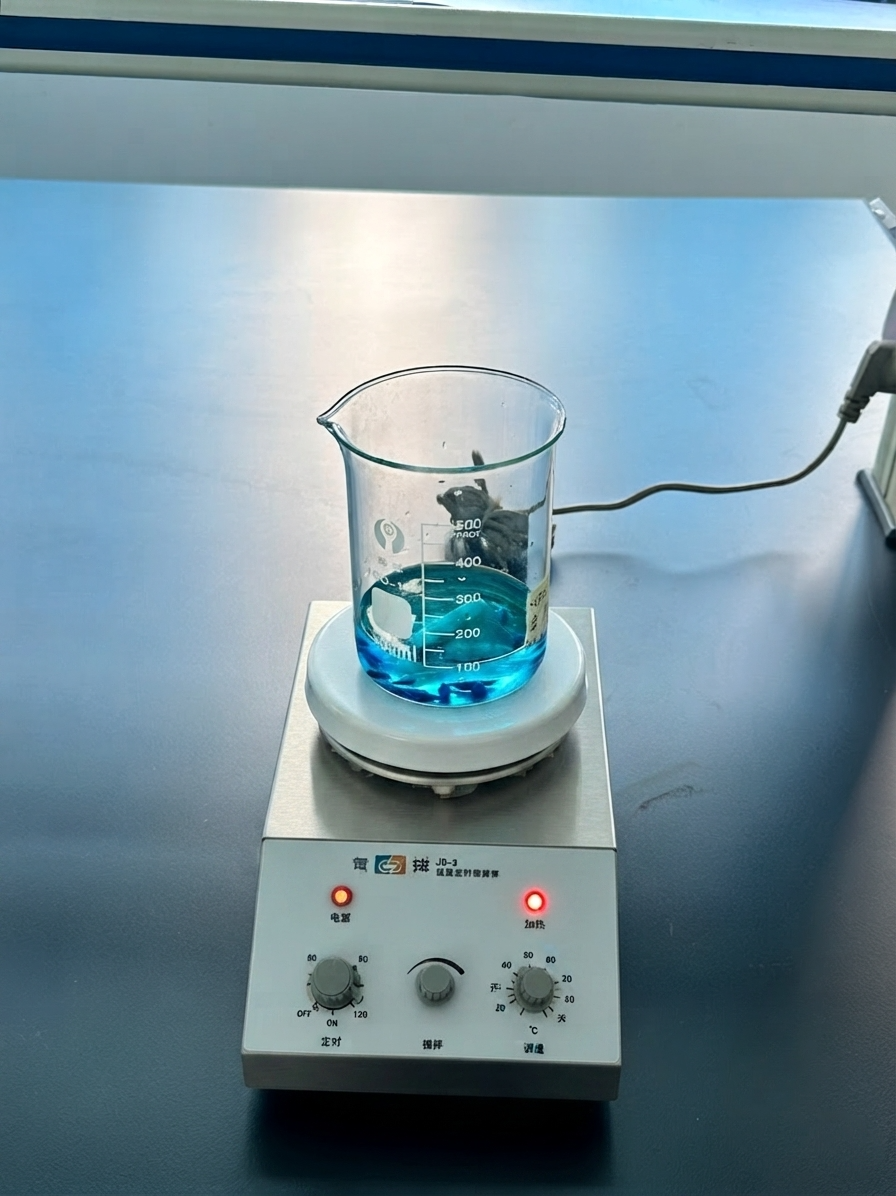
1. Dissolve: Drop the small piece of tablet into the water and stir until dissolved.
2. Shake: Cover the glass and shake it vigorously for 10 seconds.
3. Observe the Foam.
How to Read the Results:
Foam Level
What It Means
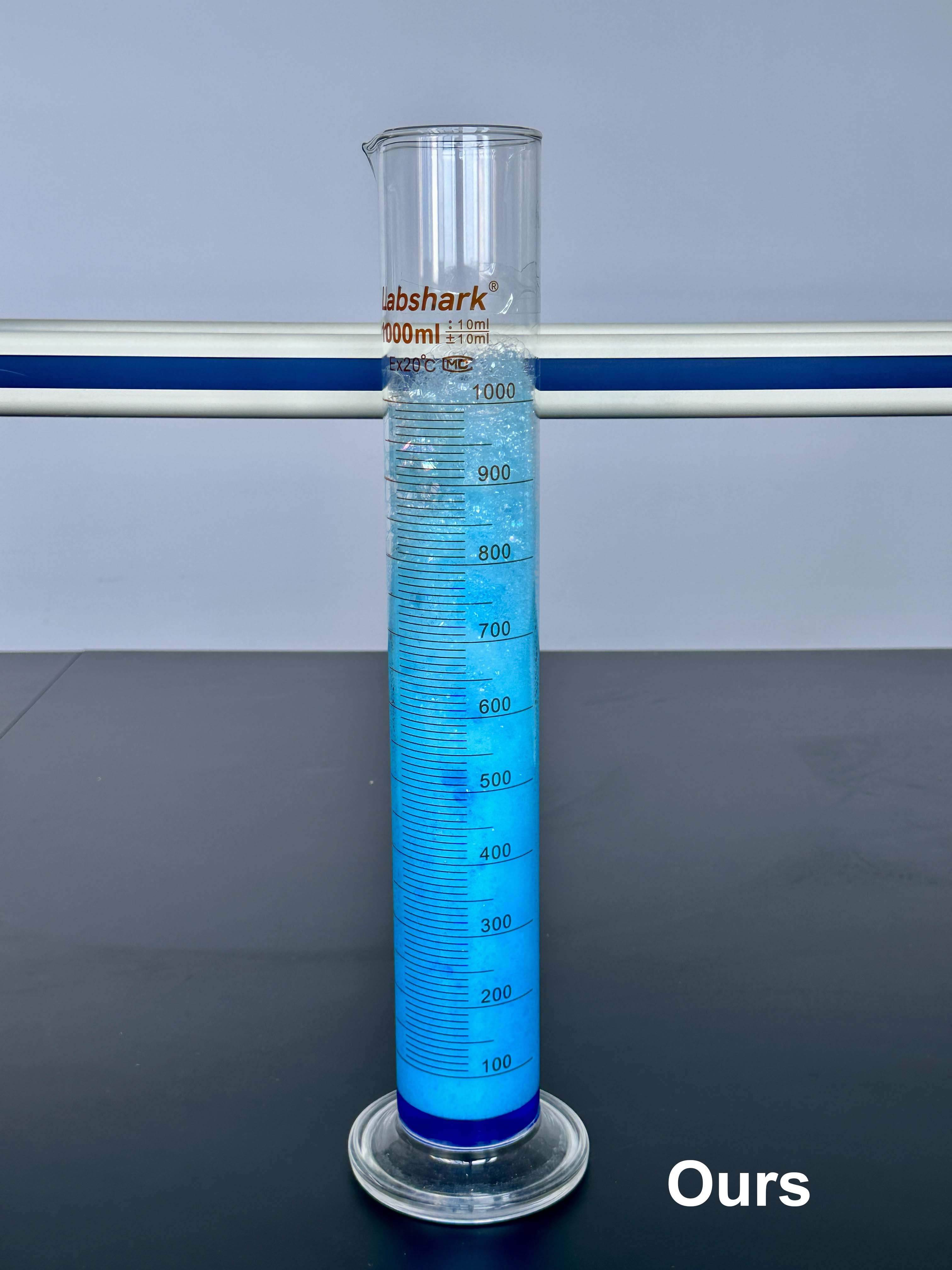
Rich, thick, lasting foam
✅ High concentration of active surfactants. Strong cleaning power. This tablet is doing real work with every flush.
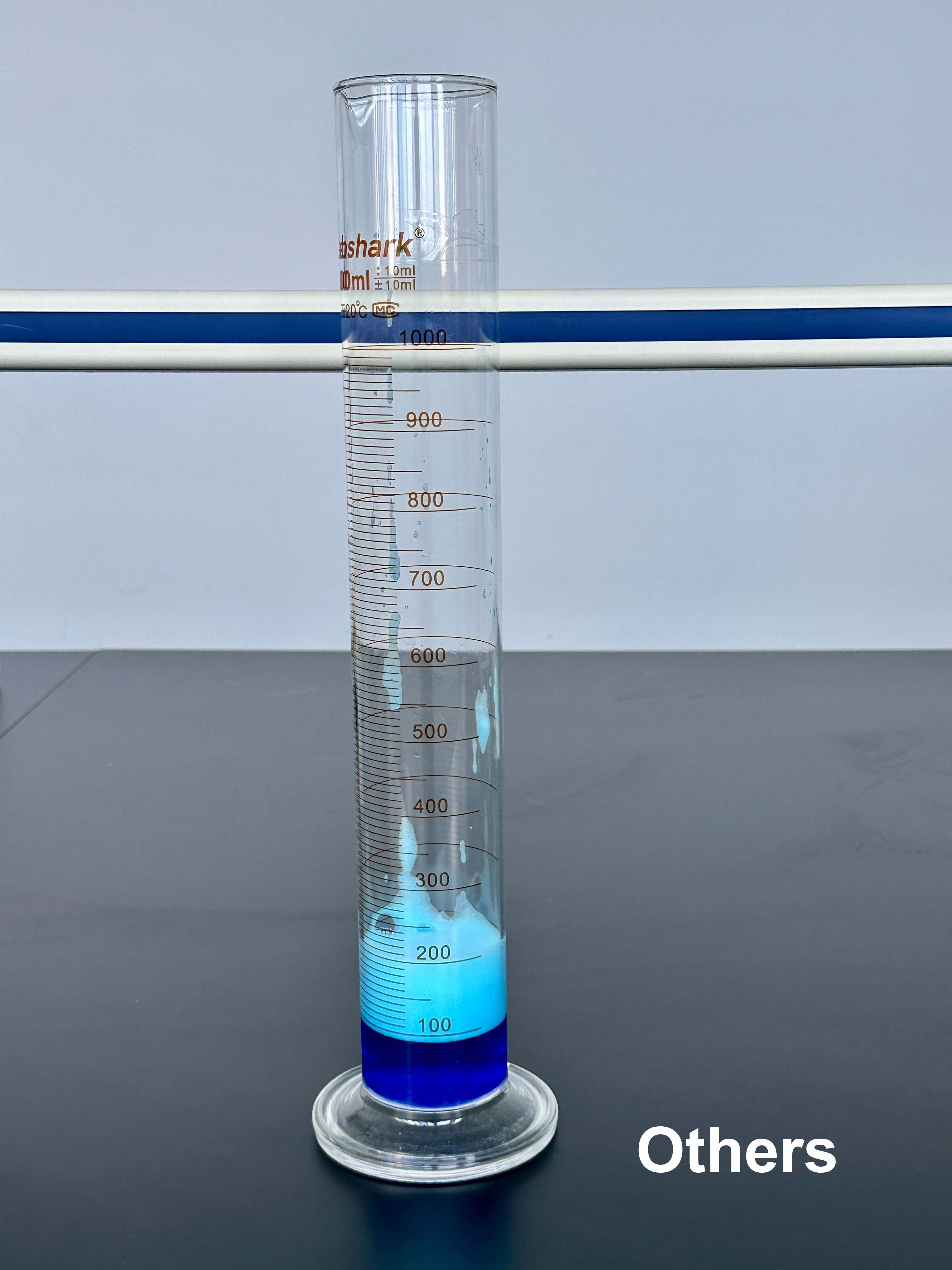
Thin layer of bubbles that disappears quickly
⚠️ Low surfactant levels. Some cleaning effect, but minimal.
Almost no foam, just colored water
❌ Mostly dye and filler. Very little actual cleaning happening. You're paying for blue water.
The science is simple: Surfactants (the ingredients that lift grease, dissolve grime, and kill bacteria) are also the ingredients that create foam. More foam = more active cleaning agents = a genuinely cleaner toilet.
Pro Tip: Try this test with your current tablet, then try it with a competitor. The difference may shock you.
This is the same type of test that cleaning product formulators use in their labs. Now you can do it at your kitchen counter.
"The science is simple: Surfactants (the ingredients that lower water's surface tension to lift grease, dissolve grime, and suspend soils) are also the ingredients that create foam."
Why Do Some Tablets Last a Month and Others Only a Few Days?
One of the most common complaints about toilet tank tablets is inconsistent lifespan. You might read a review that says "This lasted 6 weeks!" and another that says "Gone in 4 days!" for the exact same product.
This isn't always a quality issue. Several real-world factors affect how fast your tablet dissolves:
1. Water Hardness
If you live in an area with hard water (high mineral content—common in the Southwest US, Midwest, and many parts of Europe), your tablets will dissolve significantly faster.
"If you live in an area with hard water (high mineral content—common in the Southwest US, Midwest, and many parts of Europe), your tablets will dissolve significantly faster. According to the U.S. Geological Survey (USGS), water is considered hard when it contains high levels of dissolved calcium and magnesium, which directly react with and accelerate the breakdown of cleaning tablets."
Hard water contains calcium and magnesium ions that react with the tablet's ingredients, accelerating the breakdown process. The harder your water, the shorter your tablet will last.
What you can do: If you have hard water, look for tablets specifically formulated for hard water conditions, or consider a water softener.
2. Water Temperature (Climate)
This is a factor most people never consider. In warmer climates or during summer months, the water sitting in your toilet tank is warmer. Warmer water dissolves solids faster—it's basic chemistry.
If you live in Arizona, Texas, Florida, or any region with high ambient temperatures, your toilet tank water can be significantly warmer than someone in Minnesota. This means:
· Summer: Tablets dissolve faster (may last 1-2 weeks)
· Winter: Tablets dissolve slower (may last 3-4+ weeks)
This doesn't mean the tablet is low quality—it's simply physics.
3. Formula & Tablet Hardness
This is where product quality does come into play.
Tablets are manufactured at different compression levels:
· Softer tablets tend to contain more active cleaning ingredients (surfactants, enzymes, oxygen bleach). They clean more effectively per flush but dissolve faster—meaning fewer total flushes.
· Harder, more compressed tablets last longer but may release fewer active ingredients per flush, resulting in weaker cleaning action.
The best manufacturers find the sweet spot: a tablet that is compressed enough to last 4-6 weeks under normal conditions, while still releasing a meaningful dose of cleaning agents with every single flush.
Factor
Effect on Tablet Life
Can You Control It?
Hard Water
Dissolves faster
Partially (water softener)
High Water Temperature
Dissolves faster
No (climate-dependent)
Soft Tablet Formula
Dissolves faster, cleans better
Yes (choose wisely)
Hard Tablet Formula
Lasts longer, cleans less
Yes (choose wisely)
The Takeaway:
Don't judge a tablet solely by how many weeks it lasts. A tablet that dissolves in 3 weeks but delivers powerful cleaning with every flush is far more valuable than one that lasts 2 months but is basically a slow-release blue dye dispenser.
What to Look For in the Best Automatic Toilet Bowl Cleaner Tablets
Now that you know the science, here's your checklist when shopping for toilet tank tablets:
✅ 1. High Active Surfactant Content
Use the 1% foam test. If the tablet produces rich foam, it has real cleaning power.
https://www.myklens.com/en/product/Toilet-Bowl-Cleaner-Tablets
✅ 2. Oxygen-Based Bleach (Not Chlorine)
If you want a bleach block, chlorine-based tablets can corrode the rubber flapper and metal parts inside your toilet tank over time, leading to leaks. Look for tablets that use oxygen bleach or non-chlorine formulas that are safe for tank internals.
https://www.myklens.com/en/product/Toilet-Bowl-Cleaner-Tablets-with-Bleach
✅ 3. Balanced Dissolution Rate
The best tablets are engineered to dissolve at a controlled rate—not too fast (wasting product) and not too slow (releasing too little cleaner per flush). A good benchmark is 200-400 flushes per tablet, depending on household size.
✅ 4. Septic-Safe Formula
If you have a septic system, always confirm the tablet is septic-safe. Harsh chemicals can kill the beneficial bacteria in your septic tank. Look for products that align with the EPA's Safer Choice guidelines for household cleaning products.
✅ 5. Multi-Action Formula
Top-tier automatic toilet bowl cleaner tablets do more than just color the water. Look for formulas that:
· Remove limescale and hard water stains
· Prevent bacterial buildup
· Deodorize (not just mask odors)
· Leave a protective coating to prevent future staining
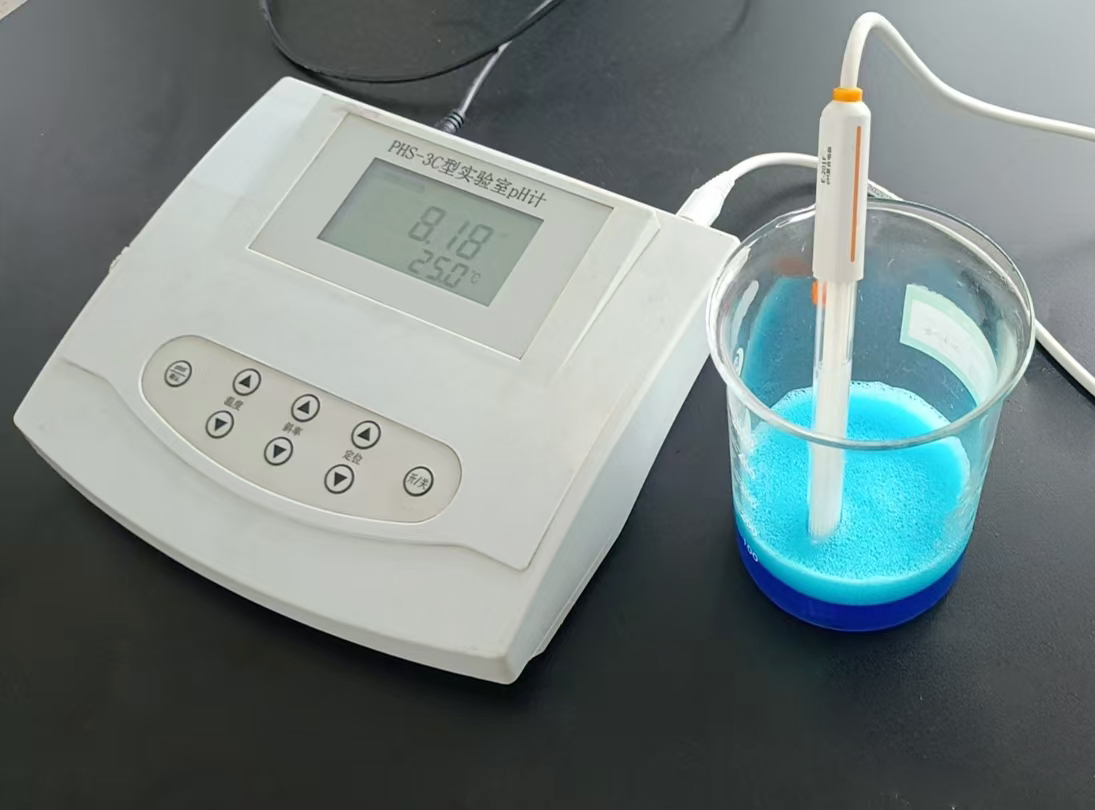
✅ 6. pH 7.0-9.0
Alkalescence is safer for the toilet seat and septic.
How to Use Automatic Toilet Bowl Cleaner Tablets for Best Results
Getting the most out of your tablets is easy:
1. Remove the toilet tank lid and place the tablet in the tank—away from the flapper valve (to prevent premature corrosion or blockage).
2. Let the tablet sit for 5 minutes before flushing, allowing it to begin dissolving.
3. Flush as normal. With each flush, active cleaning agents are released into the bowl.
4. Replace the tablet when the blue color disappears from the flush water or when you notice reduced foam during flushing.
For optimal freshness, we recommend replacing your tablet every 30 days, even if some product remains.
The Bottom Line: Not All Blue Tablets Are Created Equal
The market for automatic toilet bowl cleaner tablets is flooded with products that prioritize appearance (blue water) over performance (actual cleaning).
Now you have the tools to tell the difference:
· Use the 1% Foam Test to verify real cleaning power.
· Understand that dissolution speed depends on water hardness, temperature, and formula—not just quality.
· Choose a tablet with high surfactant content, a balanced dissolution rate, and a tank-safe formula.
Stop paying for colored water. Choose a toilet bowl cleaner tablet that actually cleans.
💡 Frequently Asked Questions (FAQ)
Q1: Can toilet cleaning blocks damage pipes or the tank?
A: It depends on the ingredients. Bleach-based types can corrode rubber and metal components, leading to leaks, while oxygen-based or plant-based surfactant formulas are safe.
Q2: Why does a cleaning block run out in just a few days?
A: This is mainly due to hard water or excessively high water temperature. In addition, high-concentration blocks are typically formulated to be softer for better cleaning performance, which makes them dissolve faster.
Q3: Is the blue toilet water safe for pets if they drink it?
A: Traditional chlorine-based cleaning blocks are toxic to pets. If you have pets at home, be sure to choose a certified non-toxic, environmentally friendly, pet-safe formula.
Q4: Can cleaning blocks completely replace manual scrubbing?
A: No. Cleaning blocks are primarily used for daily prevention of dirt and bacterial buildup. Manual scrubbing is still needed every 1–2 weeks for a thorough clean.