
What Is Mold and Why Is It Dangerous?
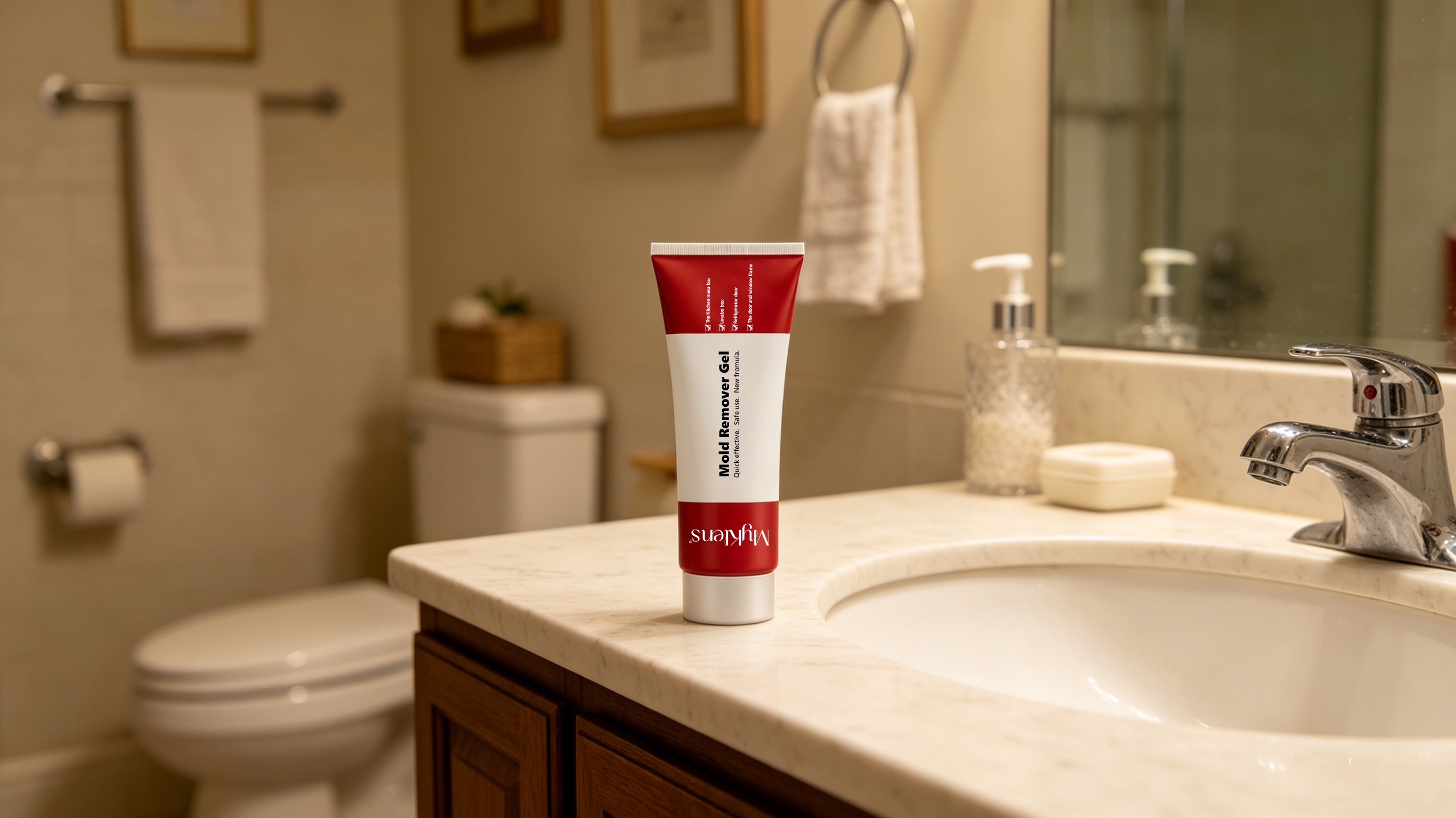
Mold is a type of fungus that thrives in damp, humid environments. It reproduces through microscopic spores that float through the air, settling on surfaces where moisture is present. While some molds are harmless, others can produce allergens, irritants, and even toxic substances called mycotoxins.
Health Risks Associated with Mold:
Respiratory issues and allergic reactions
Asthma attacks and breathing difficulties
Skin irritation and rashes
Headaches and fatigue
In severe cases, neurological problems
Common Places Where Mold Grows
Understanding where mold typically appears can help you prevent and address problems quickly:
Bathrooms - High humidity from showers and poor ventilation
Basements - Often damp with limited airflow
Kitchens - Moisture from cooking and potential leaks
Window frames - Condensation buildup
Attics - Roof leaks and poor insulation
Washing machines - Trapped moisture in seals and drums
Types of Mold Removers
1. Chemical-Based Mold Removers
These products typically contain strong active ingredients like:
Bleach-based solutions - Effective on non-porous surfaces
Ammonia-based cleaners - Good for hard surfaces like glass and tiles
Quaternary ammonium compounds - Kills mold and prevents regrowth
Pros: Fast-acting, highly effective on stubborn mold
Cons: Strong fumes, may damage certain surfaces, requires safety precautions
2. Natural Mold Removers
Eco-friendly alternatives include:
Vinegar - Acetic acid kills most mold species
Hydrogen peroxide - Antifungal and antibacterial properties
Tea tree oil - Natural fungicide
Baking soda - Mild disinfectant that absorbs moisture
Pros: Safer for health and environment, gentler on surfaces
Cons: May require multiple applications, less effective on severe infestations
3. Commercial Mold Removal Products
Specialized formulas designed for specific situations:
Spray-on removers
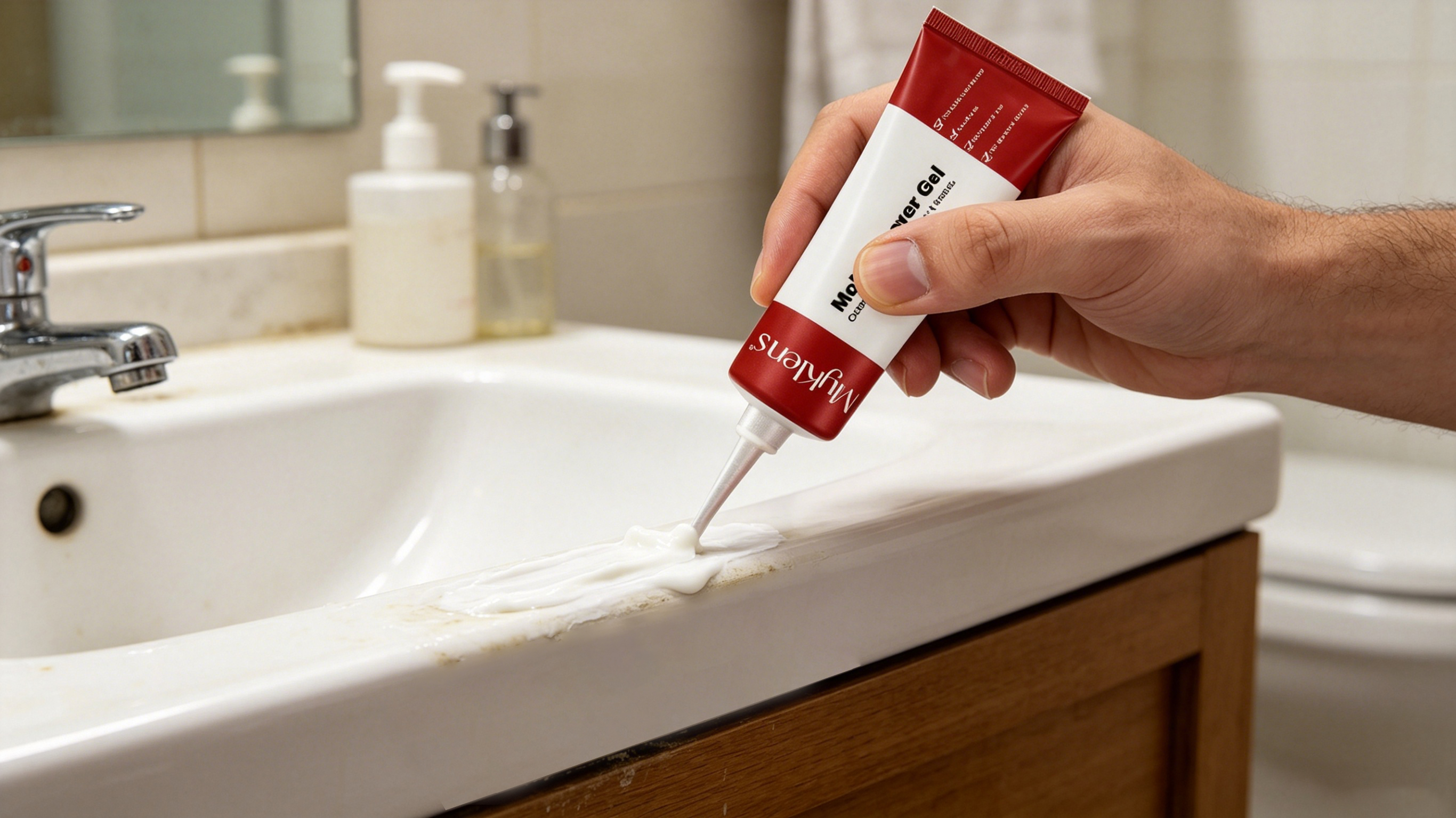
Gel-based treatments for vertical surfaces
Foaming cleaners for grout and tiles
Preventative mold inhibitors
How to Choose the Right Mold Remover
Consider these factors when selecting a mold removal product:
Surface Type
Porous surfaces (wood, drywall, fabric) - May require specialized treatments or replacement
Non-porous surfaces (tile, glass, metal) - Most removers work effectively
Severity of Infestation
Light surface mold - Natural remedies or mild cleaners
Heavy growth - Stronger chemical solutions
Extensive damage - Professional remediation may be necessary
Safety Considerations
Pets and children - Opt for non-toxic, natural solutions
Ventilation - Ensure adequate airflow when using chemical products
Personal protection - Always wear gloves, masks, and eye protection
Step-by-Step Guide to Using Mold Remover
Preparation:
Identify the extent of mold growth
Gather supplies (mold remover, brushes, protective gear, towels)
Ensure proper ventilation (open windows, use fans)
Protect surrounding areas with plastic sheeting
Application:
Put on protective equipment (gloves, N95 mask, goggles)
Apply mold remover according to product instructions
Let the product sit for the recommended time (usually 10-15 minutes)
Scrub the affected area with a stiff brush
Rinse thoroughly with clean water
Dry the area completely to prevent regrowth
Post-Treatment:
Dispose of cleaning materials properly
Monitor the area for mold recurrence
Address underlying moisture issues
Consider applying a mold-resistant coating
DIY Mold Remover Recipes
White Vinegar Solution
Mix undiluted white vinegar in a spray bottle
Spray generously on moldy surfaces
Let sit for 1 hour
Wipe clean and allow to dry
Hydrogen Peroxide Formula
Use 3% hydrogen peroxide solution
Spray on affected area
Let sit for 10 minutes
Scrub and wipe clean
Baking Soda Paste
Mix 1/4 tablespoon baking soda with water to form paste
Apply to moldy surface
Scrub with brush
Rinse and spray with vinegar for added effectiveness
Preventing Mold Growth
Prevention is always better than cure:
Control humidity levels - Keep indoor humidity below 60%
Improve ventilation - Use exhaust fans in bathrooms and kitchens
Fix leaks promptly - Address plumbing and roof issues immediately
Use dehumidifiers - In damp areas like basements
Regular cleaning - Don't let moisture accumulate
Proper insulation - Prevent condensation on cold surfaces
When to Call a Professional
While many mold problems can be handled with quality mold removers, some situations require professional help:
Mold covers an area larger than 10 square feet
Mold is in HVAC systems
Structural damage is present
You have health conditions aggravated by mold
Mold returns repeatedly after cleaning
You suspect toxic black mold (Stachybotrys)
Top Features to Look for in a Mold Remover
When shopping for mold removal products, prioritize these qualities:
✓ Effectiveness - Proven to kill mold at the root
✓ Fast-acting - Works quickly without excessive scrubbing
✓ Preventative properties - Inhibits future growth
✓ Safety - Low toxicity and minimal fumes
✓ Versatility - Works on multiple surface types
✓ Value - Reasonable price for coverage area
✓ Ease of use - Simple application process
Environmental Considerations
As awareness of environmental impact grows, consider:
Biodegradable formulas - Break down naturally without harming ecosystems
Low VOC products - Reduce indoor air pollution
Recyclable packaging - Minimize plastic waste
Concentrated solutions - Less packaging, reduced shipping emissions
Plant-based ingredients - Renewable and sustainable resources
Common Mistakes to Avoid
Painting over mold - This only hides the problem temporarily
Using the wrong product - Some removers damage certain surfaces
Insufficient drying - Moisture allows mold to return
Ignoring the source - Without fixing leaks, mold will recur
Inadequate protection - Always wear proper safety gear
Mixing cleaning products - Never combine bleach with ammonia or vinegar
Conclusion
Choosing the right mold remover and using it properly can make the difference between a temporary fix and a long-term solution. Whether you opt for powerful chemical formulas or prefer natural alternatives, the key is to act quickly when you spot mold, address underlying moisture problems, and take preventative measures to keep your home mold-free.
Remember that while mold removers are effective tools, they're just one part of a comprehensive approach to mold management. Maintaining proper ventilation, controlling humidity, and staying vigilant for signs of moisture problems will help you create a healthier, safer living environment for you and your family.
Ready to tackle your mold problem? Browse our selection of effective, safe mold removers and take the first step toward a cleaner, healthier home today!